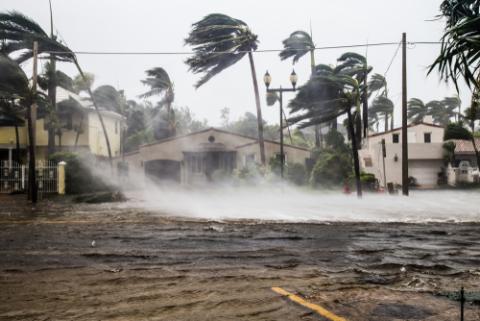
Hurricanes can cause devastating damage to homes, businesses, and entire communities. Powerful winds, heavy rainfall, flooding, and storm surge can create dangerous conditions that continue long after the storm has passed.
Whether you live in a hurricane-prone area or are preparing for your first major storm, knowing what to do before, during, and after a hurricane can help protect your family, property, and financial well-being.
At Morgan & Morgan, we understand how difficult hurricane recovery can be. The following safety tips can help you prepare for severe weather and take important steps toward recovery.
How to Prepare Before a Hurricane
Preparing before a hurricane approaches can help reduce risks and make recovery easier if your property suffers damage.
- Create an emergency plan: Know your evacuation zone, identify safe routes, and establish a plan for communicating with family members.
- Gather emergency supplies: Keep drinking water, nonperishable food, medications, flashlights, batteries, and other essential items readily available.
- Protect your property: Secure outdoor furniture, clear gutters, and install storm shutters or other protective measures when appropriate.
- Document your property: Take dated photos and videos of your home or business, including interior rooms, exterior areas, and valuable belongings. Create an inventory of important items and keep copies of your documentation securely backed up.
- Review your insurance coverage: Understand your policy limits, deductibles, exclusions, and whether you have separate flood insurance.
- Secure important documents: Keep insurance policies, identification, financial records, and other essential documents in a waterproof location or secure digital storage.
Stay informed through the National Hurricane Center, local emergency management agencies, and official weather alerts as a storm approaches.
How to Stay Safe During a Hurricane
If a hurricane threatens your area, follow evacuation orders and instructions from local authorities. Do not wait until conditions become dangerous to leave. If officials advise you to shelter in place, take precautions to protect yourself and others:
- Remain indoors and stay away from windows and exterior doors.
- Shelter in a small interior room away from flood-prone areas.
- Avoid driving, walking, or swimming through floodwaters.
- Monitor official weather updates and emergency instructions.
- Keep generators and other fuel-burning equipment outdoors, away from windows, doors, and vents.
Remember that a temporary period of calm does not necessarily mean the storm has passed. Continue sheltering until local officials indicate that conditions are safe.
What to Do After a Hurricane
Even after a hurricane moves away, damaged buildings, floodwaters, downed power lines, and debris can create serious hazards.
Before returning to your property, confirm that local authorities have declared the area safe. Avoid entering buildings with suspected structural damage, and use caution around standing water and electrical equipment. Once it is safe, consider taking the following steps:
- Put safety first: Check on your loved ones and make sure everyone is safe before turning your attention to property damage. Avoid entering buildings with suspected structural damage or other dangerous conditions.
- Document property damage: When safe, take dated photographs and videos before cleanup or moving damaged belongings. Make an inventory of damaged or missing items, and keep records of related expenses.
- Preserve damaged property when possible: When safe and practical, keep damaged items until your insurer or other claims professionals have had a reasonable opportunity to inspect them. If something must be discarded for safety, sanitation, or to prevent further damage, document its condition first whenever possible.
- Contact your insurance company: Report hurricane-related losses according to your policy's requirements.
- Prevent additional damage: Arrange reasonable temporary repairs when safe and keep receipts for related expenses.
- Save important records: Maintain copies of repair estimates, inspection reports, insurance correspondence, and other documentation.
- Understand your options: If your insurance company denies, delays, or underpays your claim, consider speaking with an attorney.
Hurricane Emergency Resources and Assistance
If you've been affected by a hurricane, several organizations provide resources to help you stay safe, find emergency shelter, and begin recovering. The Federal Emergency Management Agency (FEMA) and the American Red Cross offer information about disaster assistance, emergency preparedness, and ways to support affected communities.
For additional guidance and assistance, explore these resources:
- FEMA Disaster Assistance: Find information about available federal disaster assistance programs and eligibility requirements.
- FEMA Hurricane Safety Tips: Learn how to prepare for hurricanes and stay safe before, during, and after a storm.
- Red Cross Shelter Map: Find emergency shelters and disaster relief services near affected communities.
- FEMA Disaster Resources: Find information about federally declared disasters and available recovery resources.
For immediate emergencies, call 911 and follow instructions from local emergency management officials. Below are official disaster relief resources for residents of Florida, Georgia, Louisiana, Mississippi, Alabama, Tennessee, and Kentucky.
Florida Hurricane Disaster Resources
The Florida Division of Emergency Management provides hurricane preparedness information, evacuation guidance, shelter resources, and disaster recovery assistance.
- Florida Division of Emergency Management: Access official emergency updates, hurricane preparedness information, and state resources.
- Florida Disaster Recovery Resources: Learn about available recovery programs and assistance following disasters.
Georgia Hurricane Disaster Resources
The Georgia Emergency Management and Homeland Security Agency helps communities prepare for and recover from hurricanes, flooding, and other disasters.
- Georgia Emergency Management Agency: Find emergency preparedness guidance and disaster-related updates.
- Georgia Disaster Assistance: Explore assistance programs and recovery resources for affected residents and communities.
Louisiana Hurricane Disaster Resources
Louisiana's Governor's Office of Homeland Security and Emergency Preparedness coordinates disaster response and recovery efforts throughout the state.
- Louisiana GOHSEP: Access hurricane preparedness information, emergency updates, evacuation resources, and recovery guidance.
- Louisiana Get a Game Plan: Find tools to prepare emergency plans and stay informed during severe weather.
Mississippi Hurricane Disaster Resources
The Mississippi Emergency Management Agency provides disaster preparedness, response, and recovery resources for individuals, families, and businesses.
- Mississippi Emergency Management Agency: Find emergency updates, preparedness guidance, and disaster information.
- Mississippi Disaster Resources: Explore assistance programs, recovery resources, and support for affected communities.
Alabama Hurricane Disaster Resources
The Alabama Emergency Management Agency helps residents prepare for severe weather and provides information about emergency response and recovery programs.
- Alabama Emergency Management Agency: Access emergency preparedness information and official updates.
- Alabama Disaster Resources: Find emergency alerts, disaster assistance information, and recovery resources.
Tennessee Hurricane and Storm Disaster Resources
Although Tennessee is inland, tropical systems and severe storms can still bring dangerous flooding, strong winds, and extensive property damage.
- Tennessee Emergency Management Authority: Access emergency updates, disaster preparedness information, and statewide resources.
- Tennessee Recovery Resources: Find information about housing, food assistance, home repairs, financial support, and other recovery needs.
Kentucky Hurricane and Storm Disaster Resources
Remnants of hurricanes and other severe weather systems can cause flooding, damaging winds, and power outages across Kentucky.
- Kentucky Emergency Management: Find disaster preparedness information and statewide recovery resources.
- Kentucky Disaster Assistance: Learn about assistance available to eligible individuals and households following disasters.
We're Here to Help After a Hurricane
If your home or business has suffered hurricane damage, dealing with an insurance dispute can make recovery even more difficult.
Morgan & Morgan's Insurance Recovery Group helps policyholders evaluate denied, delayed, and underpaid claims and pursue compensation for covered losses.
With The Fee is Free®, there are no upfront attorney's fees, and we only get paid if we win your case.
Contact Morgan & Morgan today for a free, no-obligation case evaluation.